
The Science Behind Sensory Adaptation and Stimulus Diversity

The brain is incredibly efficient in managing its energy consumption. It consumes about 20-25% of the body’s total energy, making it a “power hog” in the energy economy. To optimize, the brain prioritizes important stimuli while ignoring repetitive or less critical information. For example, if you live near an airport, your brain eventually filters out the noise of airplanes. Similarly, people living by a train track or near a paper mill may stop noticing the sound of trains or the mill’s odor. This phenomenon, known as sensory adaptation or “noise blindness,” occurs because the brain saves energy by omitting unimportant or predictable inputs.
Unlocking the Secrets to Stress Relief: Tips and Techniques for a Calmer Mind

Stress has become an inescapable part of modern life, affecting our mental, emotional, and physical well-being. At BrainTap, we understand the pervasive impact of stress and are committed to helping you find effective ways to manage it. In this article, we’ll explore a range of stress-busting techniques, with a special focus on how BrainTap can help you achieve a calmer mind and a more balanced life.
Cultivating Freedom Within: A Mindful Practice with BrainTap

In a world of relentless demands, deadlines, and digital distractions, the idea of freedom within can feel vague. Most of us chase freedom externally—through success, material wealth, or escape—but realize that true freedom isn’t found outside ourselves. Instead, it begins internally – in the space between stimulus and response, in the quiet moments of awareness, and in the ability to choose peace over chaos. Cultivating this inner freedom requires mindfulness, consistency, and the right tools to support the journey. One such tool, BrainTap, offers a powerful, science-backed approach to help rewire the brain for clarity, calm, and conscious living.
The Power of Music Therapy and Brain Fitness – A Holistic Approach to Treating Depression

Music has a profound ability to reach deep into our emotions and alter our mental state. Recent research highlighted by Medical News Today underscores the effectiveness of music therapy, particularly for those dealing with treatment-resistant depression. A key discovery in this research is that the success of music therapy heavily depends on a crucial factor: personal enjoyment.
Quick & Powerful: A 15-Minute-Deep Relaxation Meditation
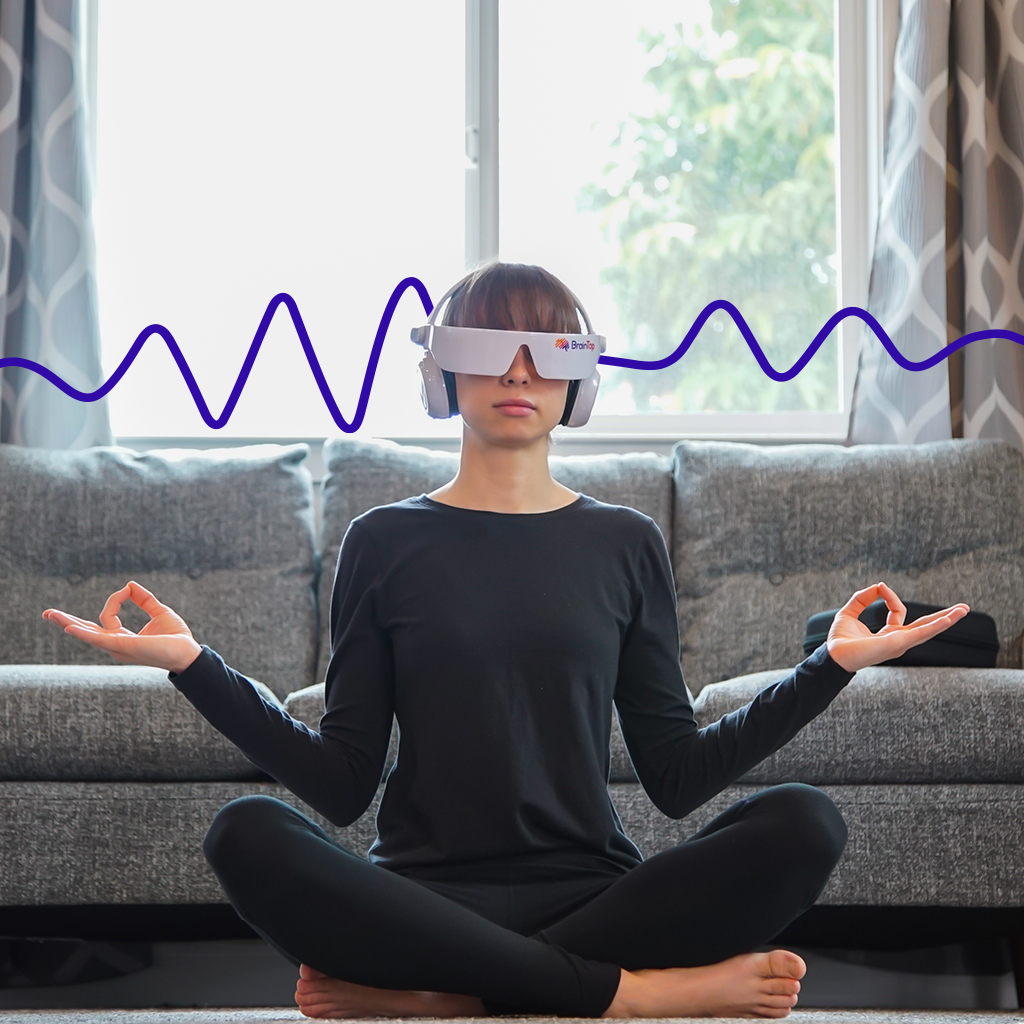
In our rapidly changing society, managing stress has almost become a part of our daily routine. Between work, family, personal responsibilities, and the digital noise that fills every moment, finding time to truly relax and reset can seem impossible. However, BrainTap, a revolutionary brain fitness technology, is changing that narrative with its Quick & Powerful 15-Minute Deep Relaxation Meditation. These sessions are short yet effective. And they open up a doorway to deep mental clarity, stress management, and renewed energy — all in less time than it takes to watch a TV episode.
Trouble Sleeping? Try guided meditation for deep and relaxing sleep.

Sleep is crucial for overall health, yet many struggle with stress, digital distractions, and irregular schedules. Quality of sleep matters more than the number of hours you sleep. If you find yourself tossing and turning at night, guided meditation can help calm the mind and promote better sleep by easing the transition to better sleep.
Elevate Health and Wellbeing Through Enhanced Meditation
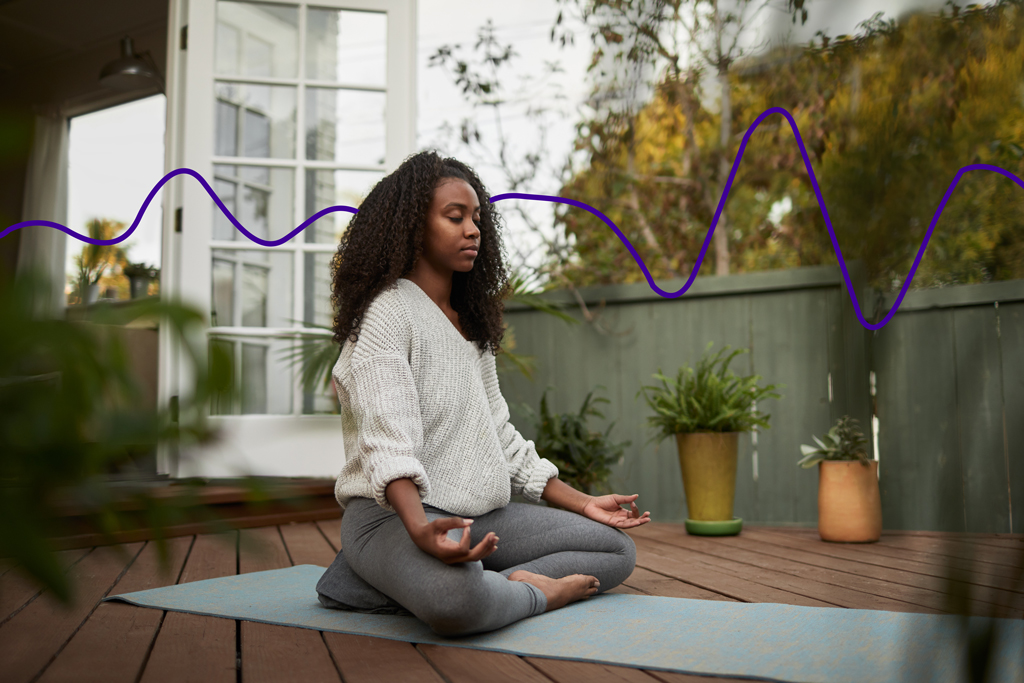
Practicing mindfulness and meditation can help you manage stress, lower blood pressure, improve sleep, and reduce the risk of health issues. With BrainTap, your brain fitness app, these benefits can be amplified, offering an innovative approach to mental and physical well-being.
Brain Waves Harmonize When Individuals Interact

Neuroscientists have traditionally focused on studying the brain as an isolated entity, examining how neurons respond to individual tasks like solving puzzles or reading. While these studies have significantly deepened our understanding of individual cognition, they do not capture the full essence of human behavior. Humans are inherently social beings, thriving in communities, building connections, and sharing experiences that shape who we are. Recognizing this, researchers are now broadening their focus to explore how our brains function during shared experiences—a growing field called collective neuroscience.
How Brain Waves Impact Your Memory
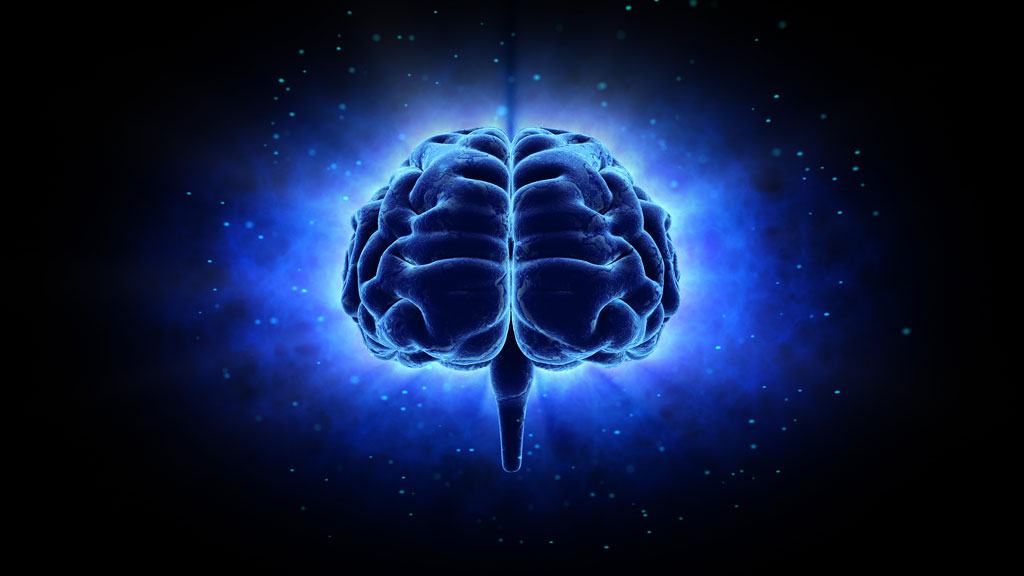
In a split second, it takes to remember a name or focus intently on a task, and a powerful network of electrical activity unfolds in your brain. These rhythmic patterns, known as brainwaves, shape how we remember, process, and retrieve information. Created as neurons communicate, brainwaves influence everything from relaxation and focus to complex memory storage and recall. Each brainwave type—Delta, Theta, Alpha, Beta, and Gamma—has its own frequency, linked to mental states that affect how we learn, store, and access memories. By understanding these brainwave patterns, we gain insight into how the brain supports memory, from sleep-based consolidation to quick recall in high-pressure moments.
The Role of Binaural Beats in Brain Health: An Inside Look with BrainTap

Binaural beats are a fascinating auditory illusion that occurs when two slightly different frequency tones are played in each ear through headphones. The brain perceives a third tone, known as a binaural beat, which is the difference between the two frequencies. For example, if one ear hears a 300 Hz tone and the other hears a 310 Hz tone, the brain perceives a binaural beat of 10 Hz. This unique phenomenon can influence brainwave activity, making it a popular tool for meditation, relaxation, and cognitive enhancement.