
What Is Heart Rate Variability (HRV) — And Why It’s an Important Health Metric You’re Not Tracking
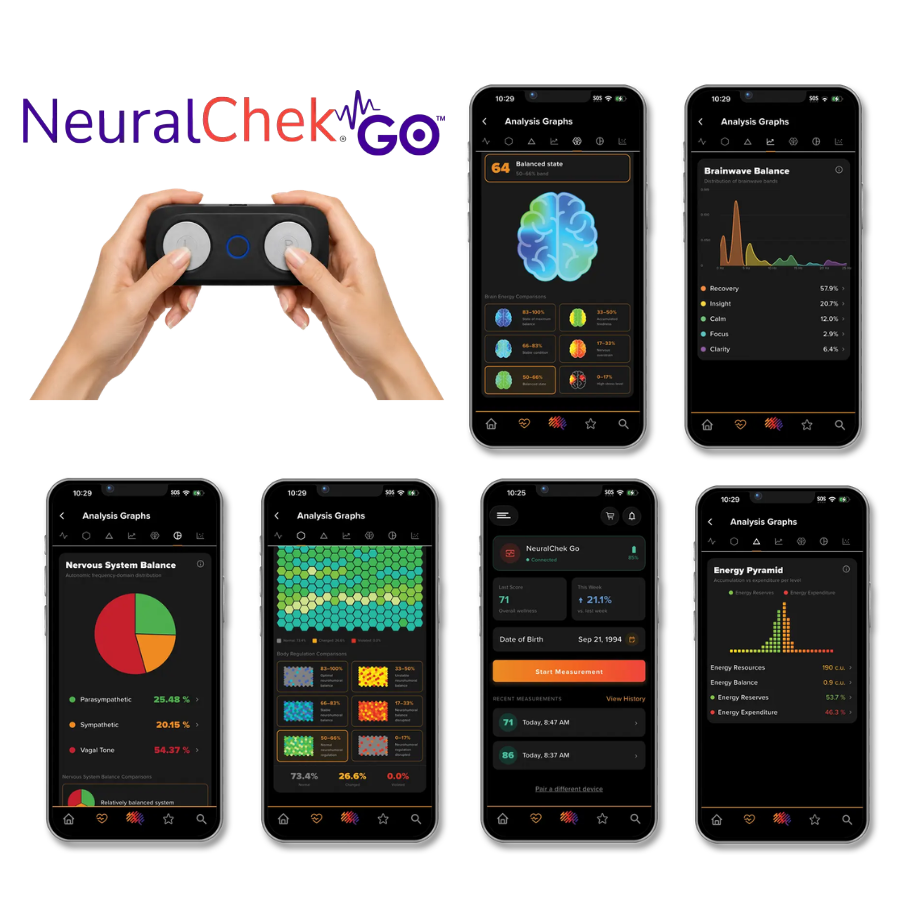
Weight, blood pressure, resting heart rate — these tell you what’s happening in your body right now, but not how well it’s adapting. Heart Rate Variability does, and it’s one of the most sensitive, science-backed indicators of your overall health.
Introducing NeuralChek Go: The Smarter Way to Understand Your Body in Real Time
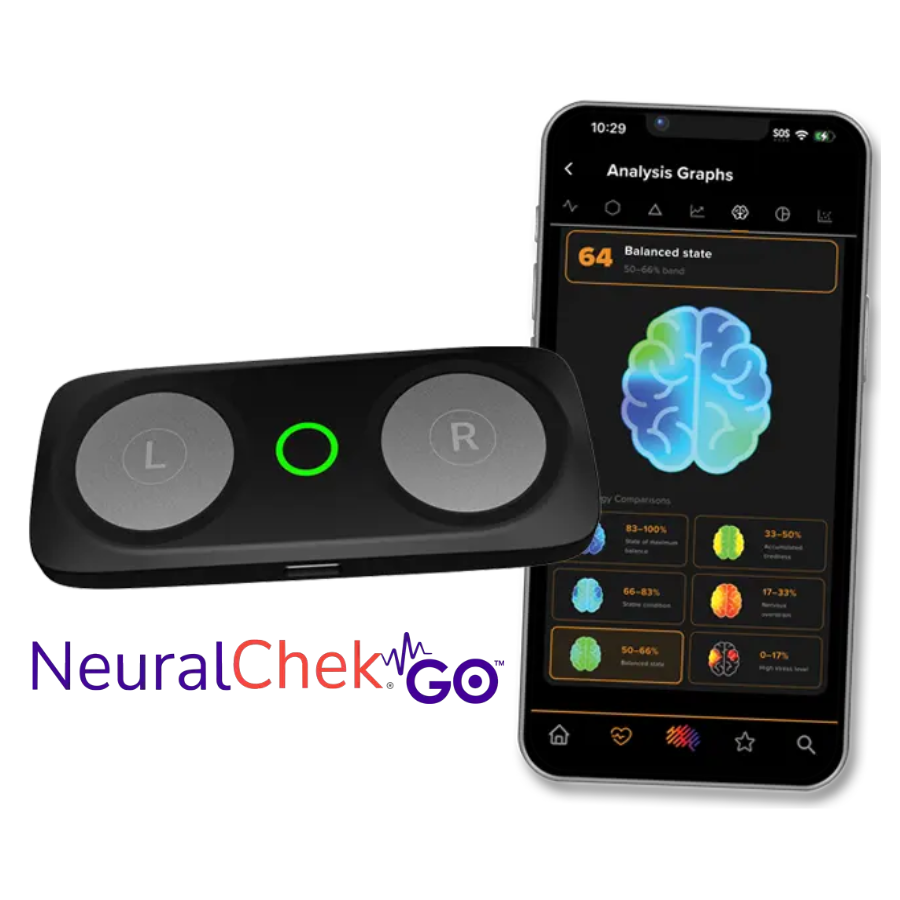
You track your steps, your sleep, your calories — but the one signal that reveals the most about your health is one most people have never measured. NeuralChek Go brings professional-grade HRV tracking into the palm of your hand.
Your First Week with NeuralChek Go: A Beginner’s Guide to HRV Tracking
Getting started with NeuralChek Go is less about mastering data and more about building a new relationship with your body. Here’s exactly what to do in your first week — and what to expect in the weeks that follow.
Why Willpower Won’t Fix Burnout — The Neuroscience Explained

Burnout isn’t a discipline problem — it’s a brain state problem. Learn the neuroscience of burnout and how brainwave entrainment helps your brain actually recover.
Yoga for a Stronger Mind and Healthier Brain

When you hear the word yoga, you picture flexibility, balance, and relaxation. While those benefits are real, emerging research suggests that yoga may offer something even more valuable: a safeguard for your brain health.
Achieving Balance Begins in the Brain—Not Just the Body

At BrainTap, we understand a powerful truth: balance doesn’t start in the muscles—it starts in the mind. What most people call “stability” is often just familiarity. Your nervous system loves the predictable. It clings to what it knows—even if what it knows is stress, exhaustion, or misalignment. That’s the Law of Vibration at work: we attract what we rehearse internally, not what we wish for externally.
Boost Your Brain Fitness: The Sleep Advantage
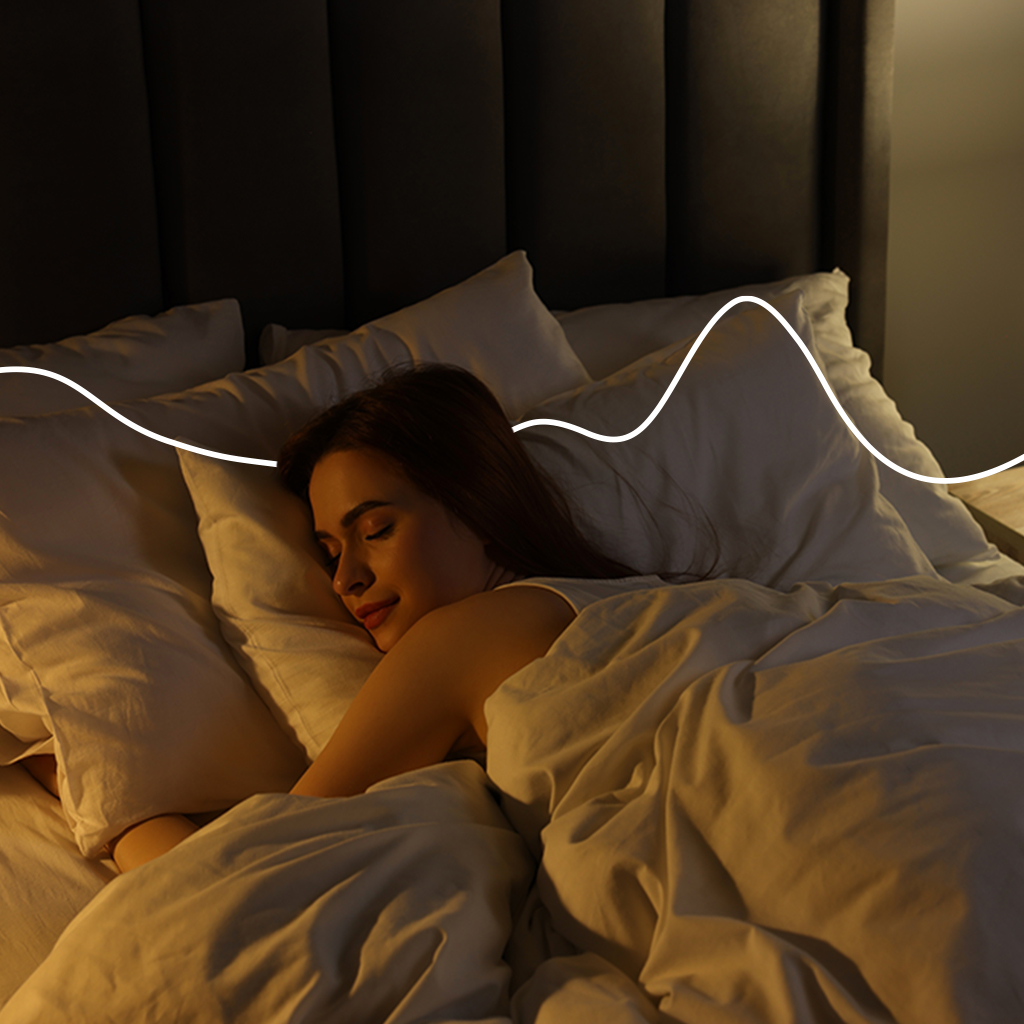
When people think about improving brain performance, they often focus on puzzles, memory games, nutrition, or exercise. While all of these are important, one of the most powerful tools for brain fitness is often overlooked: sleep.
The Brain Fitness Approach to Fibromyalgia
Most approaches to fibromyalgia focus on the body, but neuroscience reveals something deeper: the brain is the command center that controls pain perception, stress signaling, and healing processes.
From Physical Fitness to Brain Fitness: The Wellness Resolution You’re Missing

As the New Year sets in, millions of people around the world begin reflecting on what they want to improve in their lives. Gym memberships surge, diet plans trend, and productivity goals fill planners. Yet, despite good intentions, many resolutions fade within weeks. Why? Because most people focus only on external change – without addressing the internal engine that drives every habit, emotion, and behavior: the brain.
The Science Behind Sensory Adaptation and Stimulus Diversity

The brain is incredibly efficient in managing its energy consumption. It consumes about 20-25% of the body’s total energy, making it a “power hog” in the energy economy. To optimize, the brain prioritizes important stimuli while ignoring repetitive or less critical information. For example, if you live near an airport, your brain eventually filters out the noise of airplanes. Similarly, people living by a train track or near a paper mill may stop noticing the sound of trains or the mill’s odor. This phenomenon, known as sensory adaptation or “noise blindness,” occurs because the brain saves energy by omitting unimportant or predictable inputs.