
The Power of Music Therapy and Brain Fitness – A Holistic Approach to Treating Depression
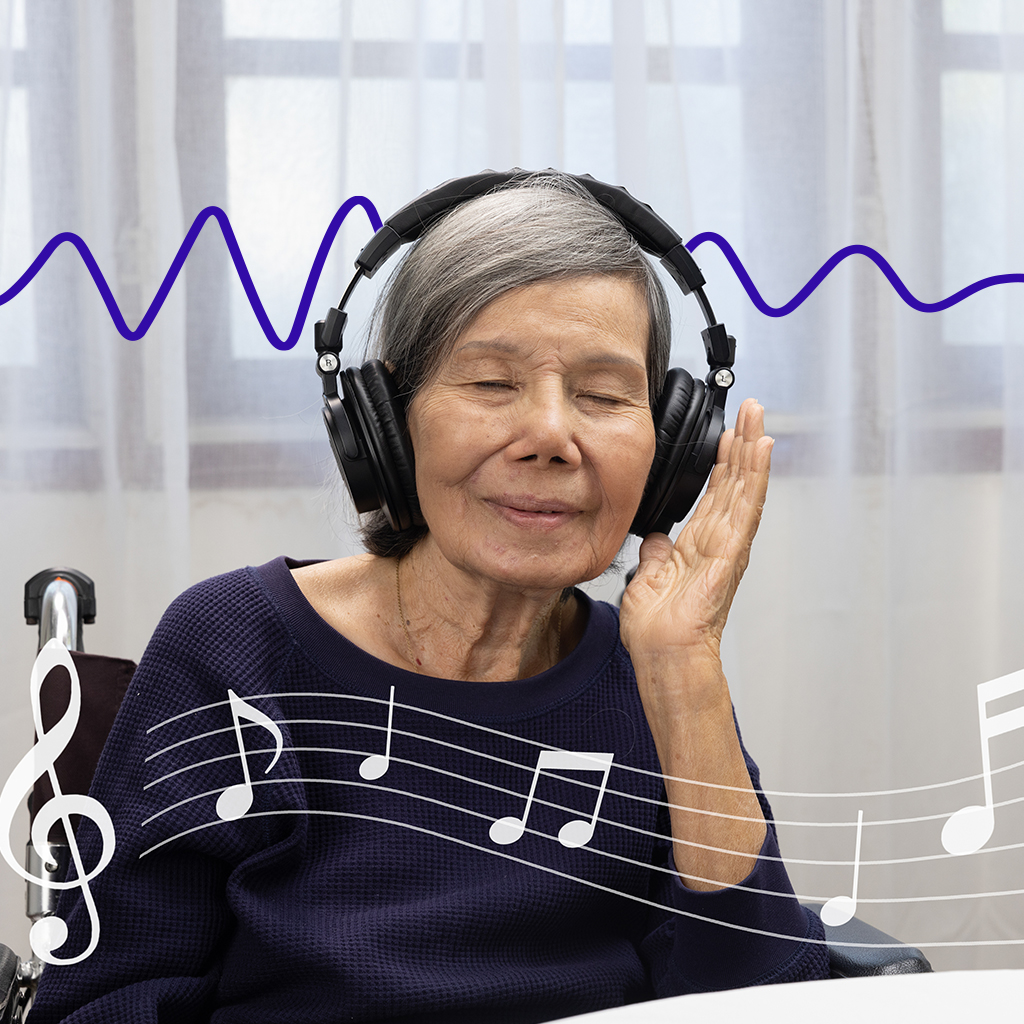
Music has a profound ability to reach deep into our emotions and alter our mental state. Recent research highlighted by Medical News Today underscores the effectiveness of music therapy, particularly for those dealing with treatment-resistant depression. A key discovery in this research is that the success of music therapy heavily depends on a crucial factor: personal enjoyment.
A Blueprint for Happiness: The Science of Personal Growth

Personal growth is an ongoing journey of self-improvement, learning, and resilience. It involves cultivating habits, mindset shifts, and behaviours that enhance overall well-being and happiness. While the idea of self-betterment has existed for centuries, modern psychology—particularly the field of positive psychology—provides actionable insights into what truly nurtures happiness and fulfilment.
The Power of Meditation and Technology in Sobriety

Recovery is a deeply personal journey of growth and transformation, one that holds special meaning for me due to my father’s struggle and recovery from alcohol addiction. To support others on this path, we’re pleased to share with you a guest blog from the creators of LOOSID, a sobriety-focused app, exploring the synergy between meditation and recovery.
Practice Deep Relaxation This Valentine’s Day with BrainTap

With Valentine’s Day approaching, it’s the perfect time to celebrate love and togetherness. While gifts like flowers and chocolates are classic, true intimacy starts with a calm mind. This Valentine’s, step away from the usual and embrace the lasting benefits of relaxation with BrainTap. It offers a unique way to enhance mental clarity and deepen your connection with yourself and your loved one.
Elevate Health and Wellbeing Through Enhanced Meditation
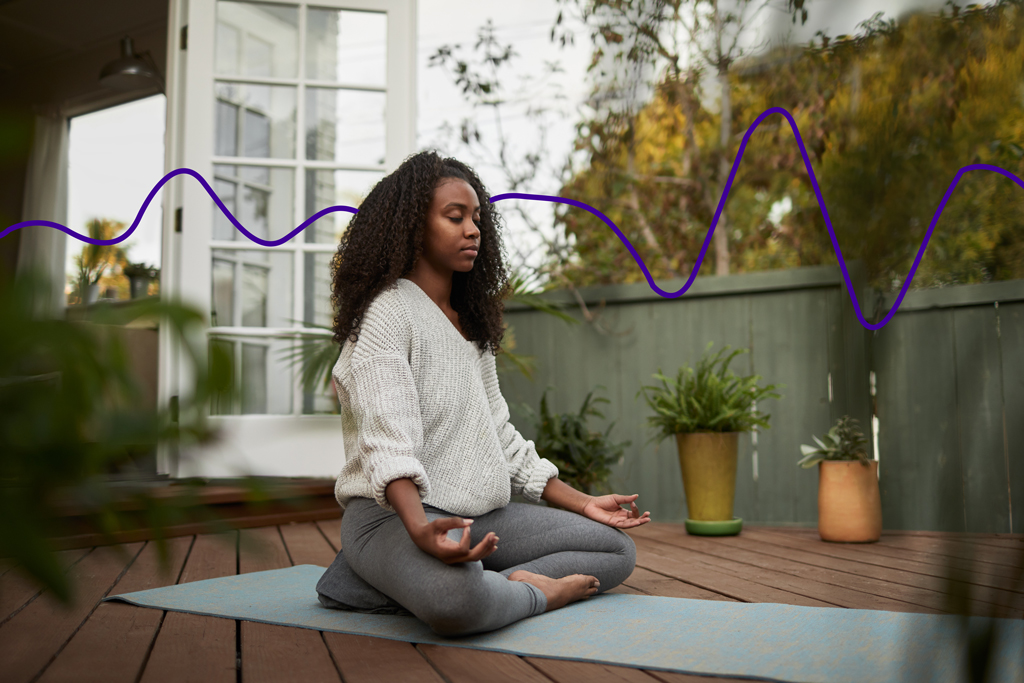
Practicing mindfulness and meditation can help you manage stress, lower blood pressure, improve sleep, and reduce the risk of health issues. With BrainTap, your brain fitness app, these benefits can be amplified, offering an innovative approach to mental and physical well-being.
Why Brain Fitness Should Top Your New Year’s Resolution List

As the clock strikes midnight on New Year’s Eve, millions set resolutions focusing on health, fitness or finances, but brain fitness is often overlooked. Just as you train your body, you can train your brain to boost cognitive performance, mental clarity, and emotional resilience. This New Year, prioritize your brain health with BrainTap, your brain fitness app, making your brain fitness journey both engaging and rewarding.
How Gamma Waves Help You Find Calm Amidst the Season’s Chaos.

The holiday season brings a whirlwind of emotions. Between gift shopping, family gatherings, and year-end deadlines, the joy of the season can be overshadowed by stress and FOMO. Amidst the hustle, finding quiet is crucial for maintaining your mental and physical well-being. A surprising ally for you in achieving this balance is the science of brainwaves and tools like BrainTap, your brain fitness app.
Brain Waves Harmonize When Individuals Interact

Neuroscientists have traditionally focused on studying the brain as an isolated entity, examining how neurons respond to individual tasks like solving puzzles or reading. While these studies have significantly deepened our understanding of individual cognition, they do not capture the full essence of human behavior. Humans are inherently social beings, thriving in communities, building connections, and sharing experiences that shape who we are. Recognizing this, researchers are now broadening their focus to explore how our brains function during shared experiences—a growing field called collective neuroscience.
How Brain Waves Impact Your Memory
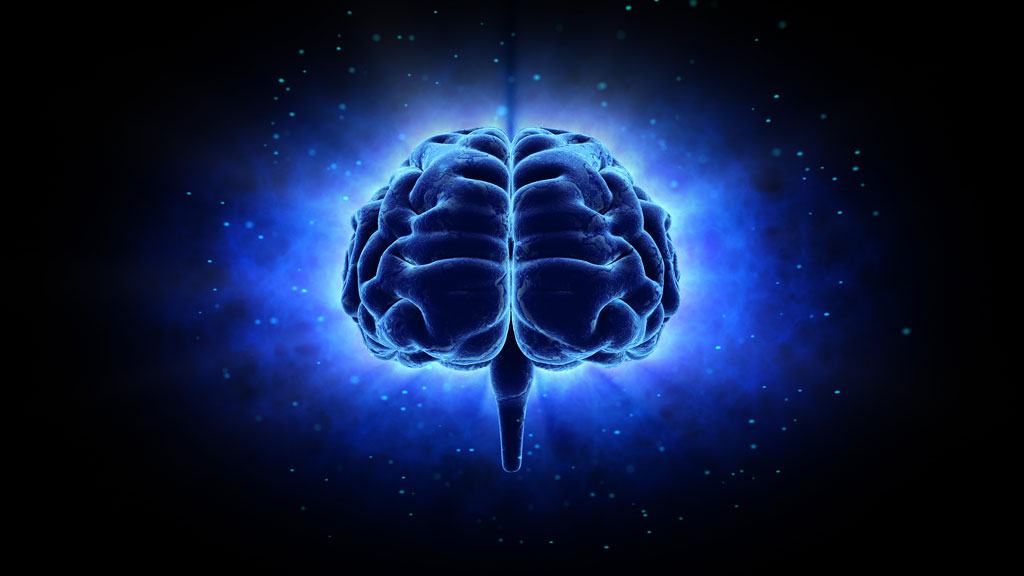
In a split second, it takes to remember a name or focus intently on a task, and a powerful network of electrical activity unfolds in your brain. These rhythmic patterns, known as brainwaves, shape how we remember, process, and retrieve information. Created as neurons communicate, brainwaves influence everything from relaxation and focus to complex memory storage and recall. Each brainwave type—Delta, Theta, Alpha, Beta, and Gamma—has its own frequency, linked to mental states that affect how we learn, store, and access memories. By understanding these brainwave patterns, we gain insight into how the brain supports memory, from sleep-based consolidation to quick recall in high-pressure moments.
Harnessing Visualization for Relaxation and Stress Relief

Stress affects millions worldwide, often manifesting through physical and emotional tension. A powerful tool for promoting relaxation and stress relief is visualization, a technique that taps into the mind’s ability to create mental images that promote calmness and manage stress. When combined with BrainTap’s meditation sessions, visualization can unlock even greater potential for calming the mind, making it an invaluable resource for enhancing well-being.