
Practice Mindful Parenting with Your Children Using BrainTap
- BrainTap App, BrainTap Sessions, BrainTap Technologies, Health and Wellness, Mindfulness and Meditation, Stress Reduction, The BrainTap Headset
Share this post on social media
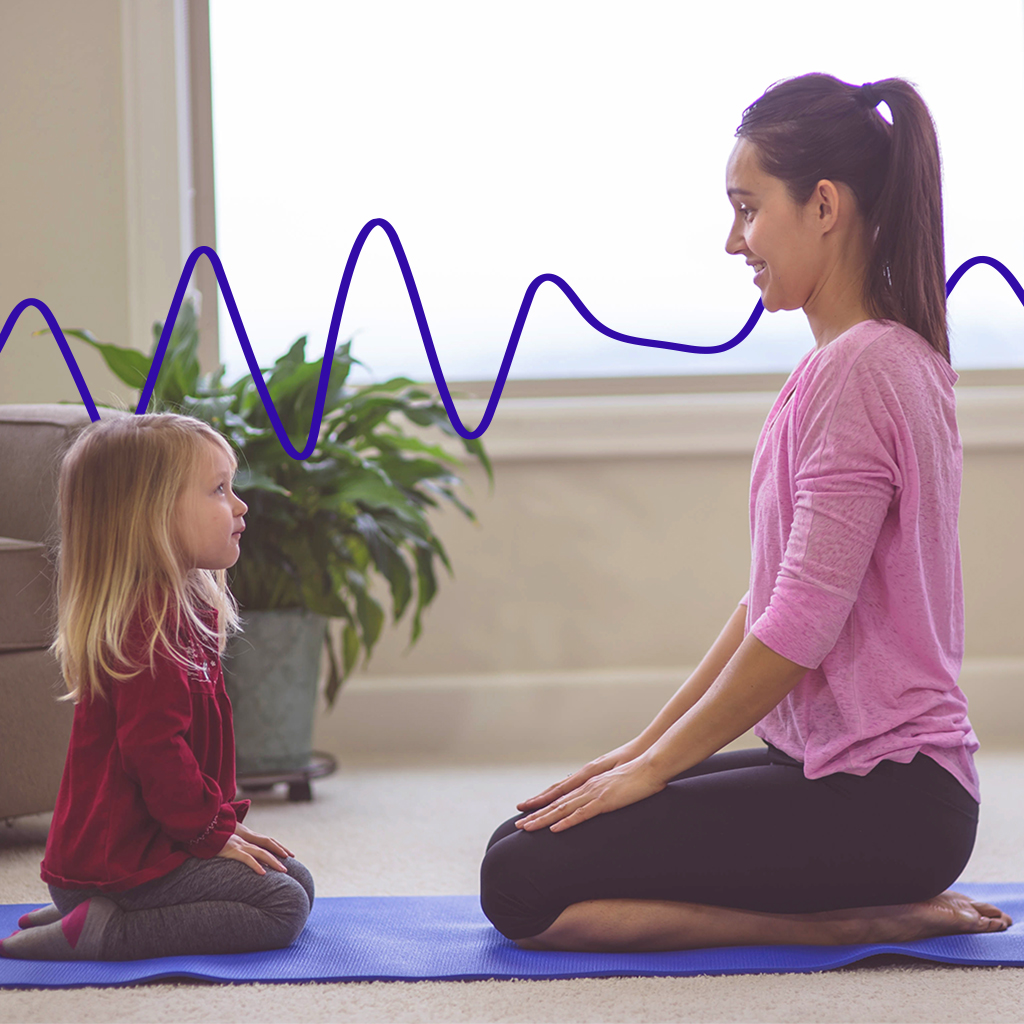
Imagine helping your child manage their emotions, improve focus, and manage stress—all while having fun. It may sound too good to be true, but mindfulness makes this possible. For parents looking to build lifelong mental wellness habits in their children, mindfulness for kids is a game-changing tool that fosters emotional regulation, self-awareness, and balance.
With resources like BrainTap, which helps with meditation and mindfulness, parents can access guided visualizations, breathing exercises, and playful guided meditations that introduce mindfulness in a child-friendly way. These tools create opportunities for kids to explore their inner world while learning how to be peaceful, confident, and resilient.
At its core, mindfulness is about being fully present in the moment—aware of our thoughts, emotions, and surroundings without judgment. While mindfulness is often thought of as a still and silent activity, children can experience it through movement, play, storytelling, or even bedtime routines. Because kids naturally live in the present, they’re often more receptive to mindfulness than adults. The trick is to introduce it in a fun, accessible way.
Keep it Simple: Start by describing mindfulness as paying full attention to what’s happening right now. You can say, “It’s like listening to your favourite sound or noticing how your feet feel in your shoes.” Keep explanations concrete and relatable.
Ask Engaging Questions: Kids connect through curiosity. Ask, “What did you notice when you were outside today?” or “How did it feel when you ate that orange?” These questions help them reflect and anchor their awareness.
Shared Experiences: Shared activities like breathing, listening, or observing nature can turn abstract concepts into shared experiences. Try BrainTap’s children’s sessions to guide both of you through breathing and visualization audio exercises in a fun, imaginative format.
Make It Fun: Use playful language and games. For example, pretend you’re “cooling down a hot pizza” with slow breaths.
Enable Them: Help children see mindfulness as a superpower. Let them know it’s a tool to help with big feelings, focusing in class, or calming down after a tough moment.
Mindfulness isn’t just a passing trend—it’s a skill that nurtures every area of a child’s development. Here are a few powerful benefits:
Mindfulness doesn’t need to be formal or forced. It thrives in safe, encouraging environments. Here’s how to integrate it into everyday life:
The most effective mindfulness activities are the ones that children enjoy. Here are a few fun ones:
Mindfulness, when introduced with love and creativity, becomes more than a peaceful practice—it becomes a foundation for emotional intelligence and resilience. With tools like BrainTap, it’s never been easier to help your child build a toolkit for inner peace and strength—while bonding as a family.
Discover how BrainTap has become a valuable tool for families. In the following BrainTap review hear from Gabi, a parent who’s experienced the benefits firsthand.
Want to help your child be more mindful? Try our 14-Day Free Trial NOW!
Elevate your mind: Subscribe to our newsletter for insights on brain health, cutting-edge research updates, and personalized session suggestions to help you unleash your ultimate potential!
We only send what matters—no spam, no sharing. We promise.