
From Chaos to Calm: How to Introduce Mindfulness to Your Kids
- BrainTap App, BrainTap Sessions, BrainTap Technologies, Education, Mindfulness and Meditation, The BrainTap Headset
Share this post on social media
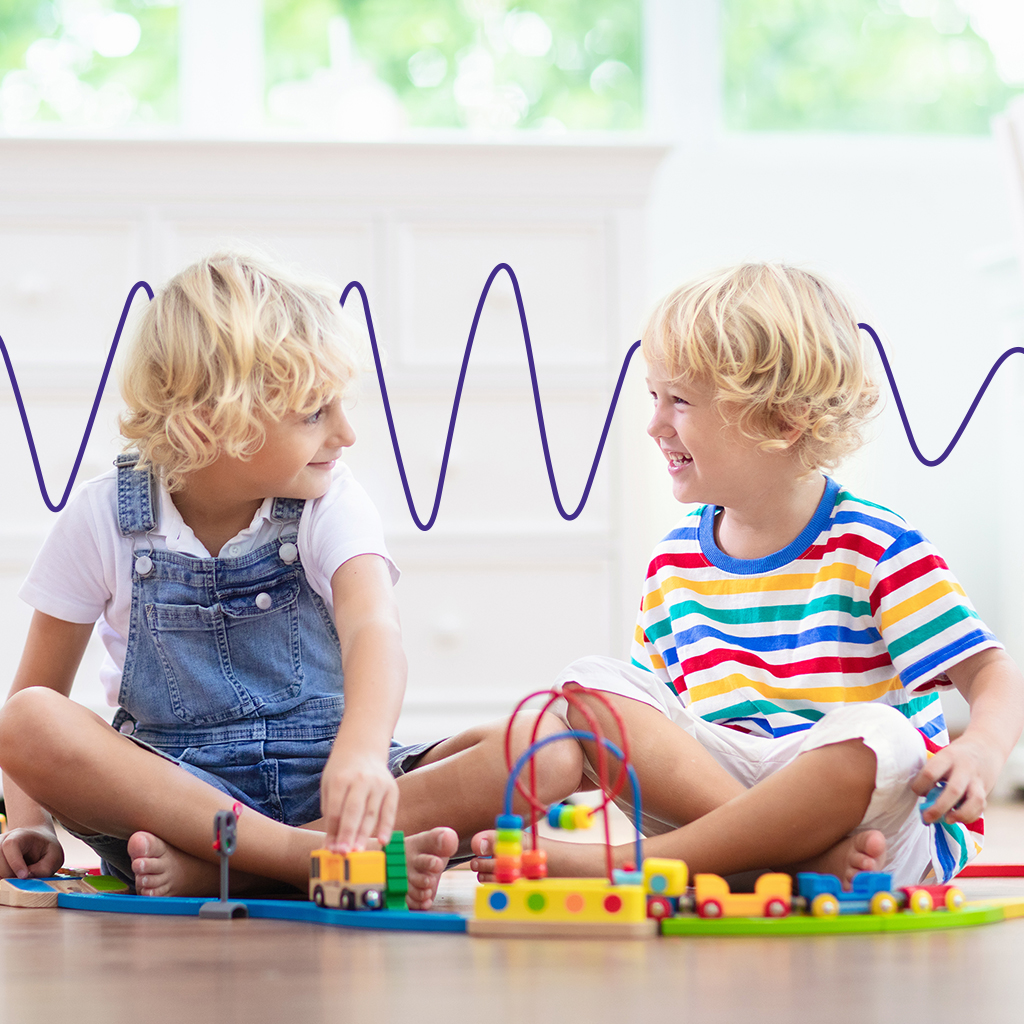
The word mindfulness is gaining tremendous attention, and there’s a good chance you’ve heard the word. It’s been called everything from “the new yoga” to “the antidote to stress,” and it’s often presented as the modern-day solution to life’s chaos. But beyond the hype, what does it actually mean?
Jon Kabat-Zinn, the scientist and creator of the Mindfulness-Based Stress Reduction (MBSR) program, defines mindfulness as “paying attention in a particular way: on purpose, in the present moment, and non-judgmentally.” In practice, this means training the mind to focus on what’s happening right now – your breath, your body, your thoughts, without getting swept away by worries about the past or the future.
For adults, mindfulness has become a well-studied tool for stress management and mental health. But in recent years, researchers and educators have discovered that children, too, can benefit from mindfulness in profound ways. Studies show improvements in attention, emotional regulation, and even compassion when kids are given the tools to pause and connect with the present. For parents and caregivers, the natural question is: how do I introduce mindfulness to my child?
Children today face a very different world from the one many of us grew up in. Between academic pressures, extracurricular activities, constant stimulation from technology, and global uncertainties, it’s no wonder that unmanaged stress and anxiety rates are climbing among young people.
Mindfulness offers a simple, powerful antidote. Instead of being caught in the whirlwind of external demands and internal emotions, mindfulness gives kids the skills to pause, notice, and respond thoughtfully rather than react impulsively. Research has found that children who practice mindfulness may experience:
These aren’t just nice-to-have skills; they’re life skills. Learning mindfulness early equips kids with emotional resilience they can carry into adolescence and adulthood.
If you’ve ever tried to define mindfulness to a five-year-old, you know it can sound abstract. Experts suggest skipping the definition and guiding kids directly into the experience instead. Ask children to notice their breath: the gentle expansion as they inhale, the still pause before exhaling, and the release as they breathe out. Through this practice, kids begin to notice their thoughts and feelings without being overwhelmed by them. Most importantly, they learn they can choose their behaviour instead of reacting on autopilot.
The good news is that mindfulness doesn’t require special equipment, long periods of silence, or even sitting still for extended stretches (a tall order for kids!). Instead, it can be woven into everyday family life. This is where BrainTap a brain fitness app can help. BrainTap, which helps with mindfulness, parents can access guided visualizations, breathing exercises, and playful guided meditations that introduce mindfulness in a child-friendly way. These tools create opportunities for kids to explore their inner world while learning how to be calm, confident, and resilient.
You can give BrainTap a try with our 14-Day Free Trial
Here are a few simple strategies you can try:
Encourage your child to sit comfortably, close their eyes, and focus on their breath. Have them notice the cool air entering their nose and the warm air leaving their mouth. They can place their hands on their belly to feel it rise and fall. Even two minutes of mindful breathing can shift their mood.
At any moment, on a walk, before bedtime, or even in the car – pause and ask your child:
This simple exercise helps ground kids in the present moment.
Turn snack time into a mindfulness practice. Invite your child to notice how their food looks, smells, tastes, and feels. For example, with an almond or a cupcake, encourage them to chew slowly and describe the texture and flavour.
Have your child lie down and close their eyes. Guide them to imagine a warm light slowly traveling through their body, from their toes to their head – pausing at each spot to notice sensations. This is especially helpful at bedtime to relax and unwind.
Walking, stretching, or even dancing can become mindful practices when kids focus on the feeling of their feet hitting the ground, their arms swinging, or their body stretching.
Take turns acting out an emotion (happy, sad, angry, excited) while the other person describes what they see, without judgment, and guesses the feeling. This builds emotional awareness while keeping things fun.
Introducing mindfulness to kids doesn’t need to be complicated or time-consuming. In fact, the key is to keep it simple, short, and consistent. One to five minutes a day is often enough to begin. Choose moments that naturally fit into your family’s routine – before bed, during homework breaks, or right after school.
The most powerful way to teach mindfulness, though, is by modelling it yourself. Kids learn far more from what we do than what we say. If they see you pause, breathe, and approach situations calmly, they’ll be more likely to follow suit.
Childhood will always be full of energy, curiosity, and the occasional meltdown; it’s part of growing up. But by giving children the gift of mindfulness, we teach them that calm is always within reach, even in the middle of chaos. Whether it’s through mindful breathing, playful games, or quiet reflection, these simple practices can help kids find their inner “still, quiet place.”
And in today’s world, that’s one of the greatest gifts we can give them.
Here is Gabi sharing her positive feedback about how using BrainTap helped her child:
Elevate your mind: Subscribe to our newsletter for insights on brain health, cutting-edge research updates, and personalized session suggestions to help you unleash your ultimate potential!
We only send what matters—no spam, no sharing. We promise.